
As temperatures keep dropping, rental property owners should use late fall to assess their property’s condition ahead of winter weather. A property can be put under extra stress by freezing temperatures, which expose it to extreme weather, seasonal storms, and increased demands on major systems. Winter can quickly turn small issues, which may have gone unnoticed through the summer or early fall, into bigger and more expensive problems.
One of the best ways to steer clear of emergency repairs is to set aside time now for seasonal property maintenance. Essential to protecting your property’s value, keeping your tenants comfortable, and managing current as well as long-term expenses is regular rental property upkeep. Here’s a closer look at some important maintenance tasks to take care of before the year’s coldest months arrive.
Schedule a Landlord Property Inspection to Identify Emerging Issues
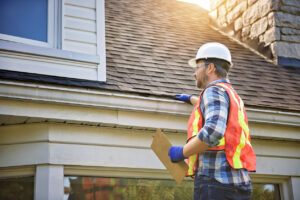
Believe it or not, regular property inspections are among the best ways to prevent more expensive repairs later. With a thorough property inspection, you can identify developing problems and deal with them while they’re still manageable rather than waiting until they’re urgent.
Inspections can also help you follow the age and condition of your property’s major systems over time. It can help you manage costs and get a better sense of when repairs or replacements may be necessary.
A solid property inspection, at minimum, covers and documents key areas such as:
- Roofing, gutters, and downspouts
- Doors, windows, and exterior seals
- Visible pipes and plumbing fixtures
- The heating and cooling equipment
- Drainage, walkways, and siding on the exterior
Following your inspection, document any concerns and make sure the necessary maintenance and repairs get done. Should you have a lengthy list of tasks, rank them by urgency, safety, and cost.
Make it a priority to see that your heating system is fully functional and properly maintained. Your tenant’s comfort could suffer, and extensive property damage could occur, if you lose heat during a cold snap, particularly with plumbing systems exposed to freezing temperatures.
Address Summer Wear Before It Becomes a Bigger Problem
Another good reason to use late fall is to look more closely at the wear and tear from summer. As temperatures cool, the results of prolonged heat, heavy use, and seasonal storms can become easier to see.
As an example, the caulk and weatherstripping around windows and doors can break down with time. Drafts can be reduced, and indoor comfort improved, by repairing or replacing damaged seals as temperatures keep falling.
Additionally, look for exterior maintenance issues, for example drainage problems, fallen or broken tree branches, and irrigation leaks. Dealing with these concerns before freezing temperatures become more common can help prevent more deterioration and avoid costly winter repairs.
Another benefit of taking care of these and other maintenance needs now is avoiding the competition for contractor availability in the busy winter repair season. Controlling costs means focusing on what your property truly needs and not replacing components that are still in good condition just by default.
Review Safety, Tenant Comfort, and Energy Efficiency
Reviewing your rental’s safety and energy-efficiency features is another good reason to complete a property inspection before winter. As you go through the property, look further than visible repairs and check important features such as:
- Lighting outdoors and walkways
- Handrails and stairs
- Locks on windows and doors
- Smoke detectors and carbon monoxide detectors
- Performance of the heating and airflow
- Indoor comfort-affecting drafts
Taking time to review these and other safety and energy-related features can help keep your tenant comfortable through the colder months. In addition, it can help identify ways to improve energy efficiency and ensure that your heating system is working the way it should.
Especially as winter approaches and tenants depend more on their home’s heating system, these are important parts of responsible rental property ownership.
Turn Your Inspection Findings into a Rental Property Upkeep Plan
Late fall is an ideal time to inspect your rental property and address seasonal maintenance needs, but the next important step is to turn your findings into a proactive maintenance schedule. Urgent repairs come first, of course, but then consistent upkeep becomes essential for keeping costs in check and budgeting for future improvements.
Among the smartest choices a rental property owner can make for maintaining a quality rental property is bringing in a property management professional. With an experienced property manager, inspections, maintenance, and repairs are coordinated, and tenant requests and unexpected maintenance emergencies are handled.
Want to learn more about these and other services? Contact Real Property Management Secured for more information about seasonal maintenance planning and keeping your investment in good condition year-round.
This content is provided for general informational and educational purposes only and does not constitute financial, legal, tax, or investment advice. Readers should consult with licensed professionals regarding their specific circumstances.
We are pledged to the letter and spirit of U.S. policy for the achievement of equal housing opportunity throughout the Nation. See Equal Housing Opportunity Statement for more information.
